About GMP

Large-Scale Sampling for Worldwide Biodiversity Assessments

dscf0979

Overview

Launched by the Centre for Biodiversity Genomics (CBG) in 2012, the Global Malaise Program (GMP) has grown to more than 500 sampling sites across 48 countries. The program is a major step toward understanding how arthropod communities vary across space and time, and how they respond to environmental change.

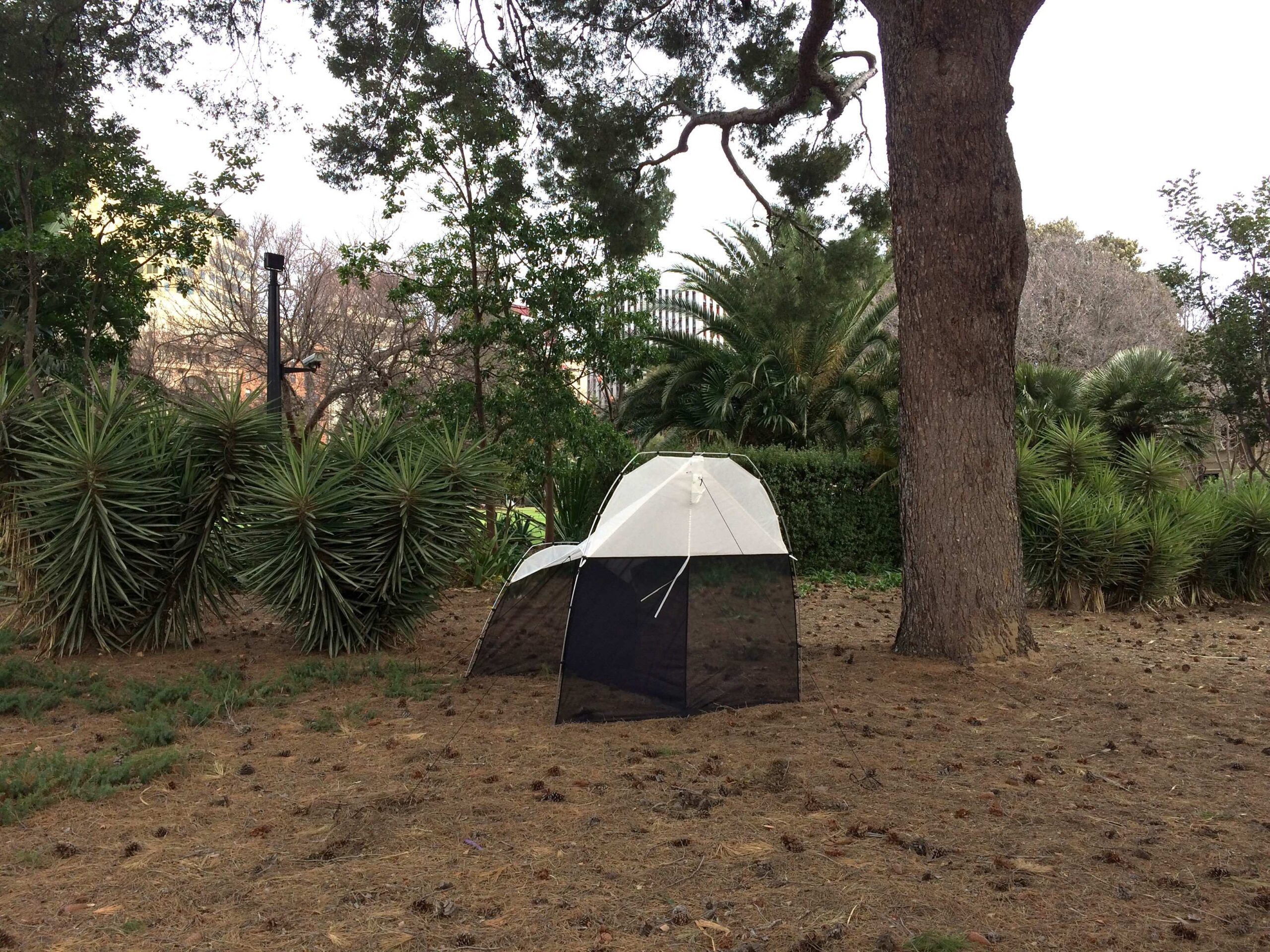
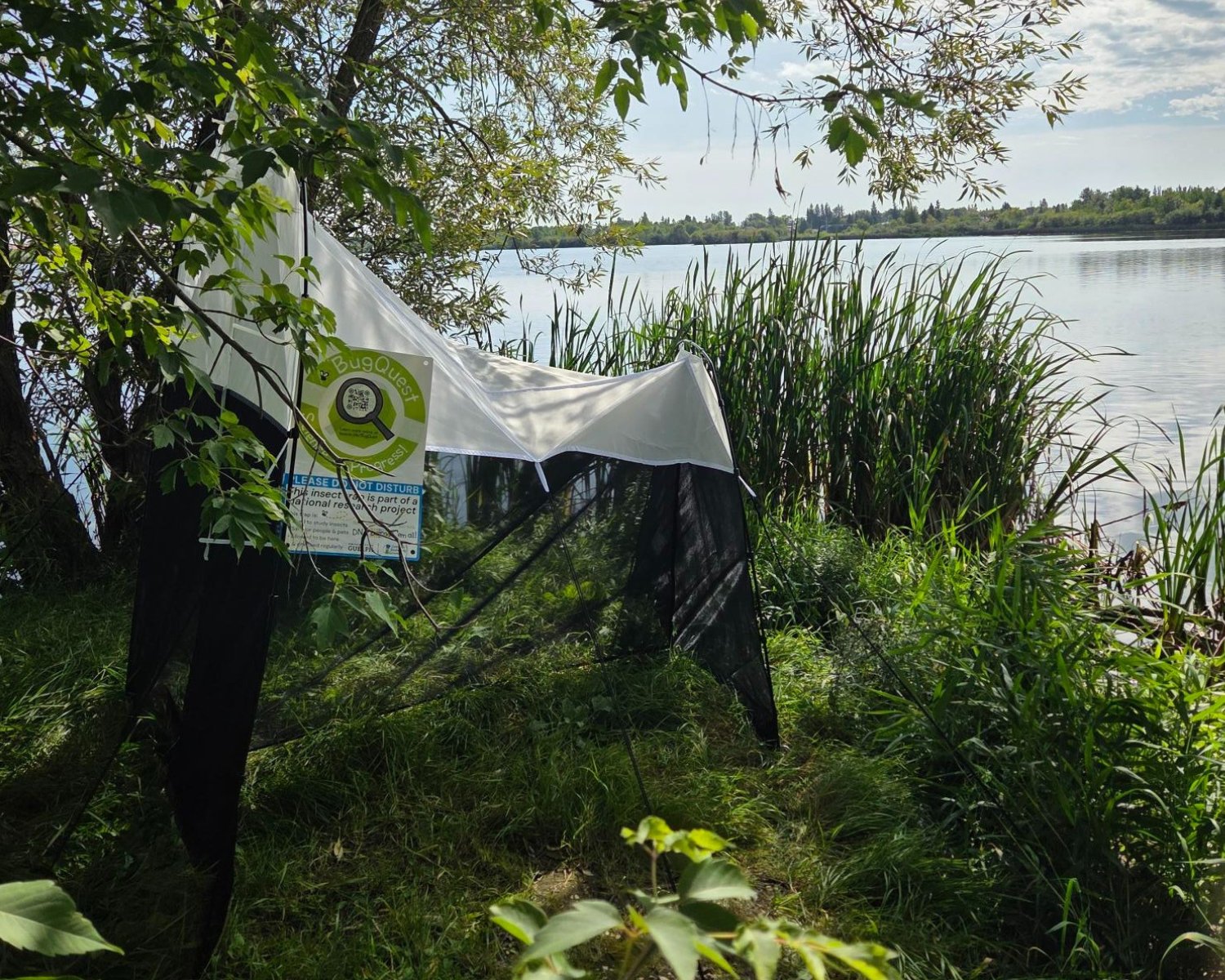
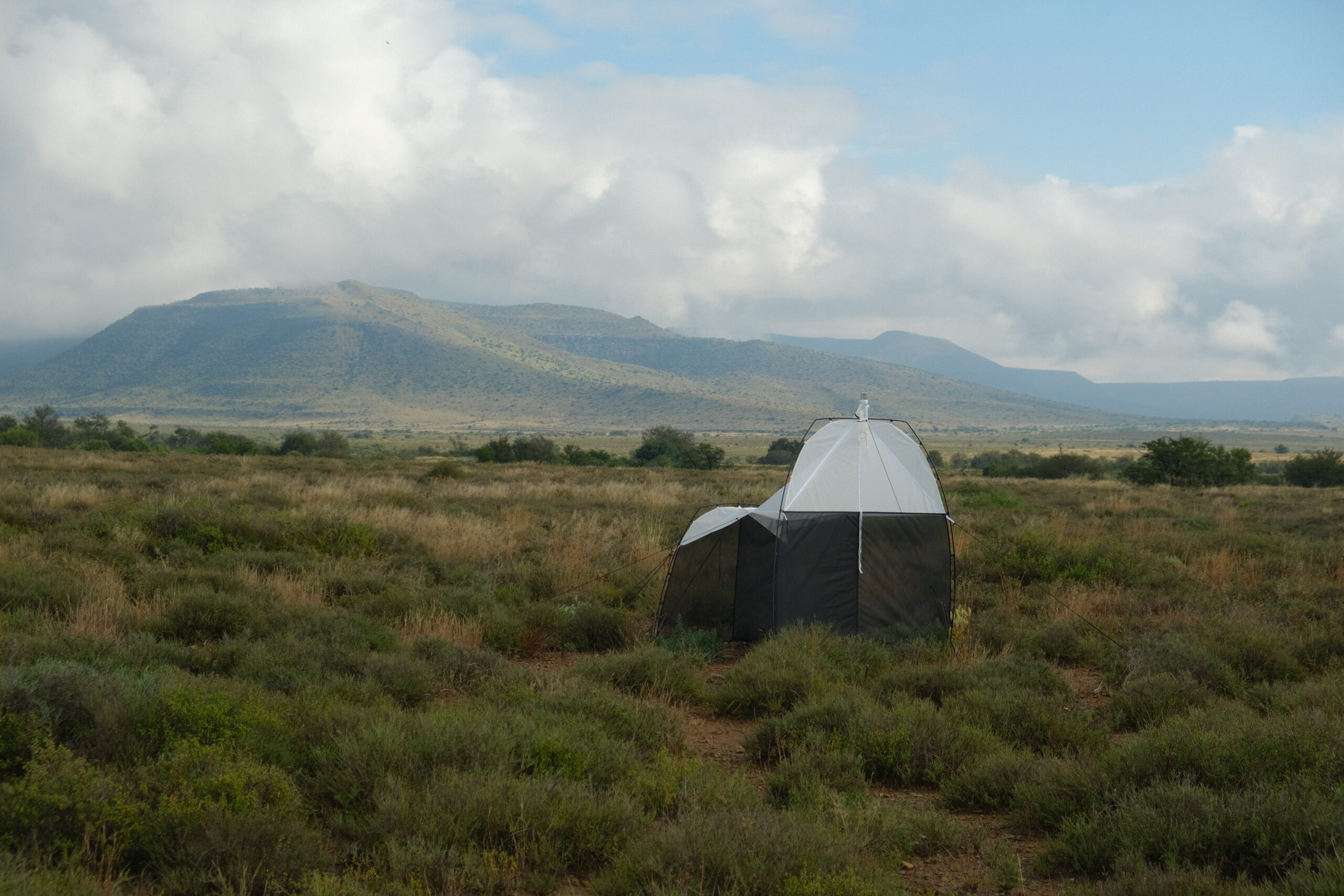
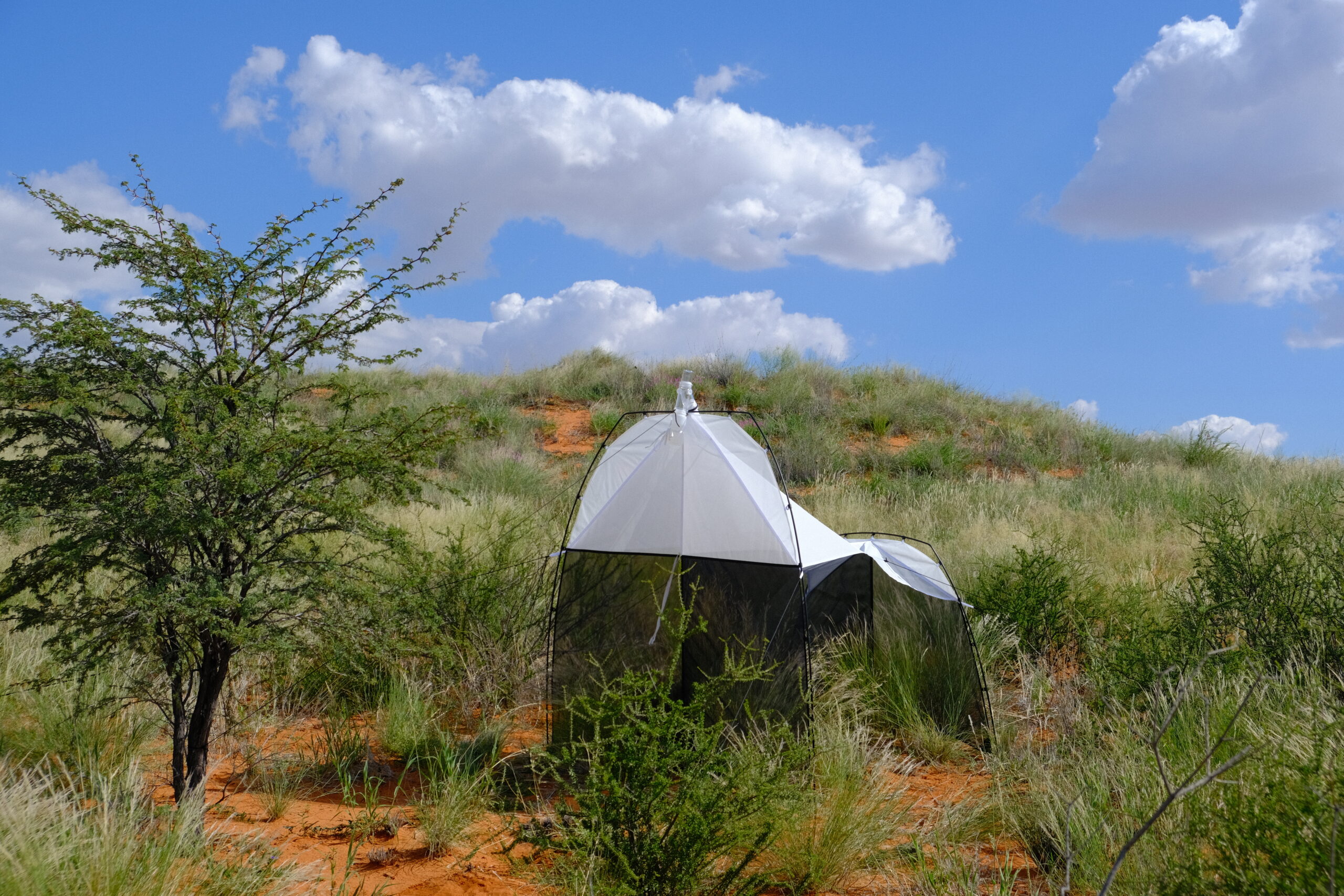
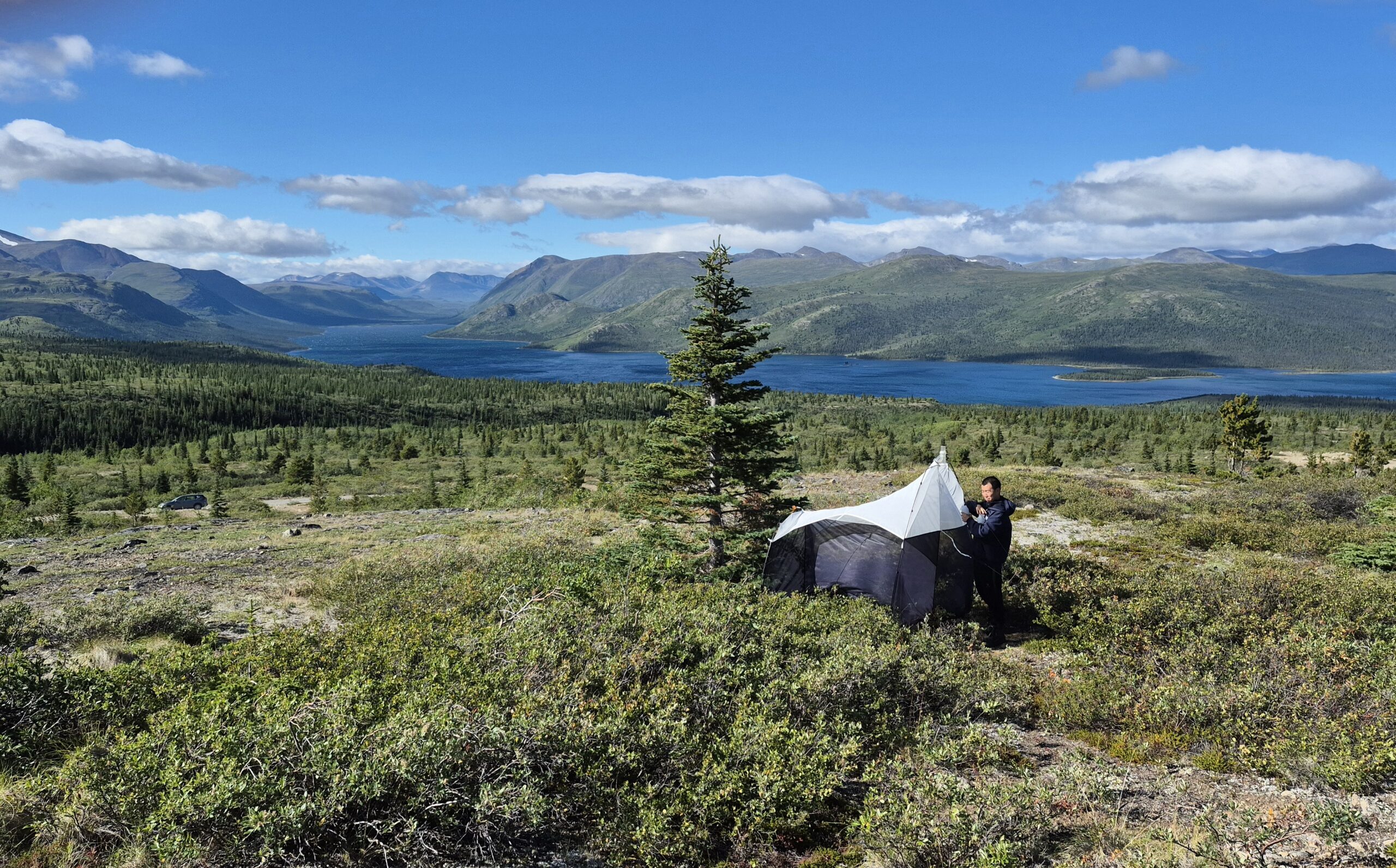
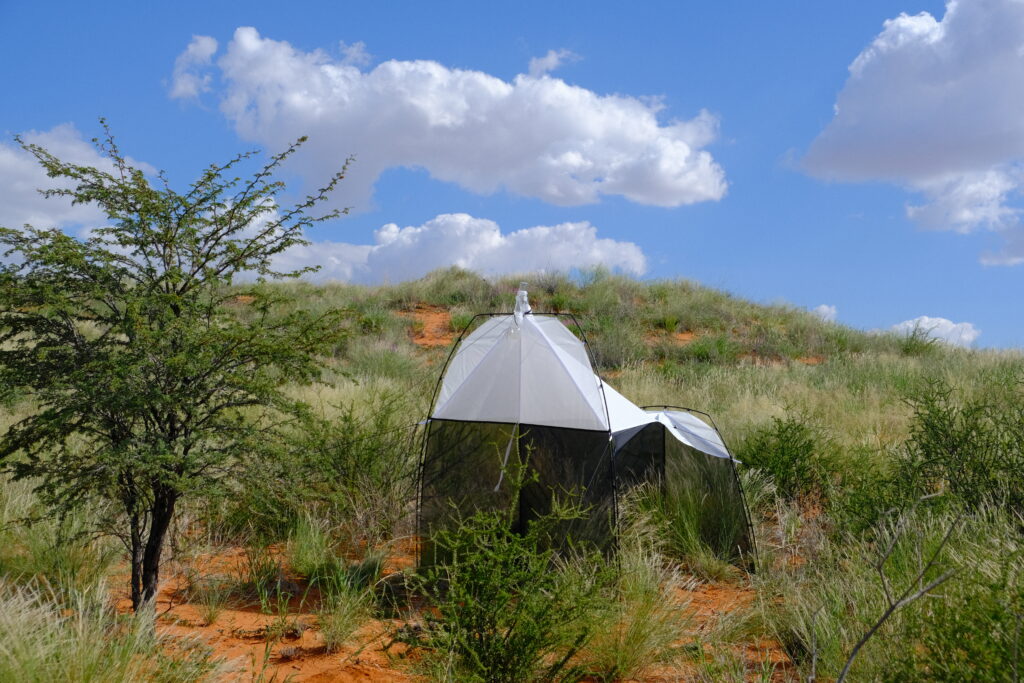
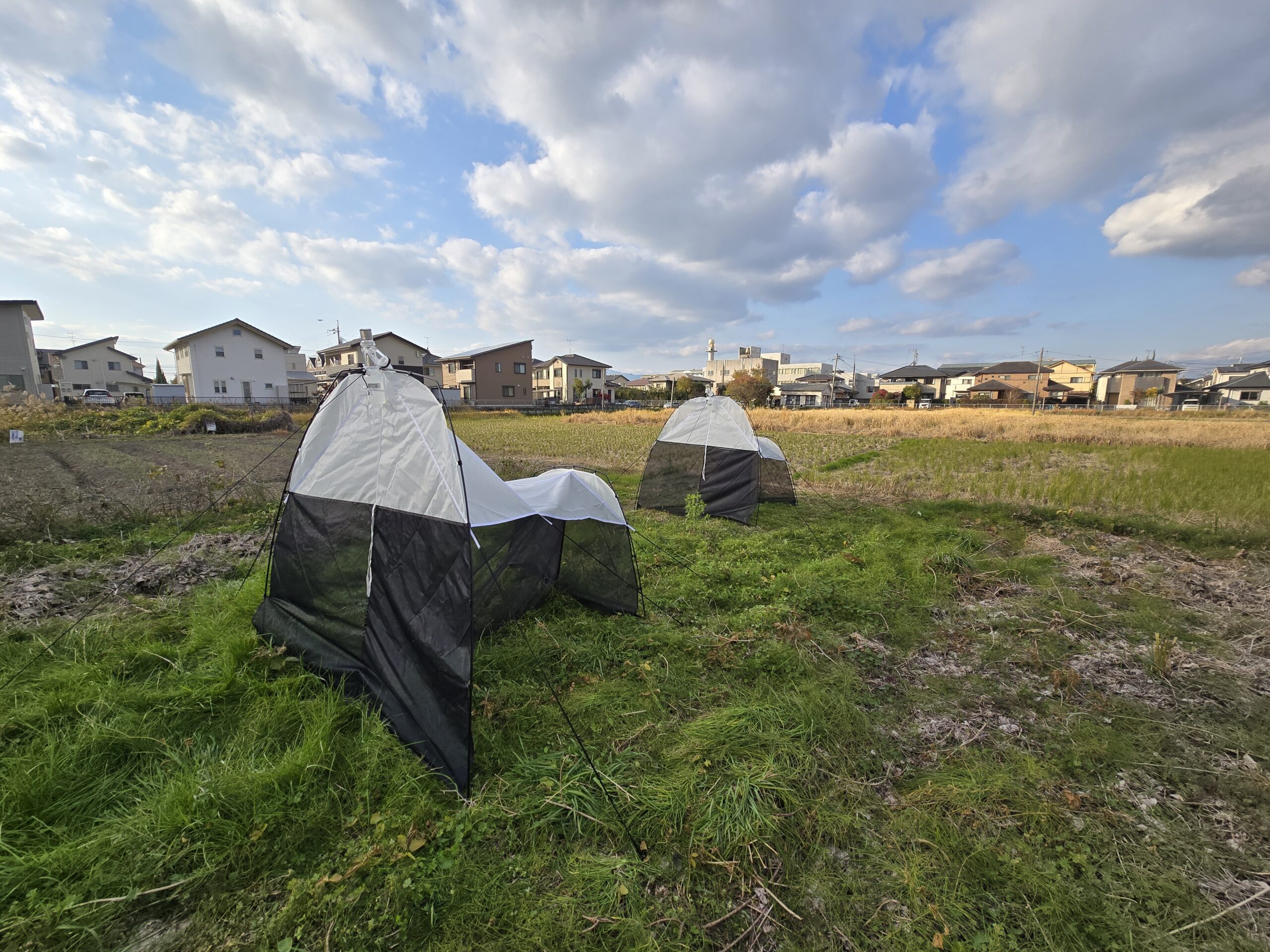
Past efforts to include arthropods in large-scale terrestrial assessments were limited by two major barriers: habitat complexity, which made sampling difficult, and the challenge of identifying specimens in such diverse groups. GMP overcomes both by combining Malaise traps (tent-like structures that capture flying insects across habitats) with DNA barcoding, which uses sequence variation in a standardized gene fragment to rapidly and objectively distinguish species.

Together, this integrated approach has enabled high-throughput, cost-efficient biodiversity assessments on a global scale. This growing global dataset provides unprecedented temporal and spatial insight into arthropod diversity and distribution worldwide, and today GMP is a core part of an even larger effort: BIOSCAN.

BIOSCAN

BIOSCAN, led by the International Barcode of Life (iBOL) Consortium, is laying the foundation for a global biodiversity monitoring system and exploring its socio-economic implications. It combines a massive, strategic sampling campaign with technologies integrated at the scale needed for planetary biosurveillance.
GMP is one of BIOSCAN’s main sampling networks. Through BIOSCAN, we prioritize new sites in ecoregions that have never been sampled, helping fill the biggest gaps in the global DNA barcode reference library.
ibol bioscan

Current Projects

BugQuest is a community science project that aims to study insect diversity across Canada. The program sent Malaise traps to over 400 schools and community sites in its first year and will continue into 2027. The samples are shipped back to the CBG and identified using metabarcoding. The project focuses on engaging students and community members to learn more about the insects in their area. 

bugquest scaled.png

Beginning in early 2026, the SANParks project is a large-scale sampling project with 80+ traps across 21 national parks. The project aims to collect baseline data about arthropods in South Africa to improve their long term biodiversity monitoring framework.

sanparks logo.svg

Launched in 2025 in partnership with African Parks, this project placed 15 Malaise traps in 12 protected areas across 8 African countries, from the forests of Odzala-Kokoua in the Republic of Congo to the wetlands of Bangweulu in Zambia. Each trap samples for a full year, documenting arthropod diversity across savannas, forests and wetlands, many of them in ecoregions never sampled before.

Launching in November 2026, Ecuador GMP adds 43 new sites to GMP’s existing network in the country. Spanning 20 provinces, the sites stretch from coastal mangroves and dry forests, through Andean cloud forests and páramo grasslands, to the Amazon lowlands and the Galápagos Islands, sampling arthropod diversity across one of the world’s most biodiverse countries.

Since 2025, Australia BIOSCAN runs standardized Malaise trapping across eastern Australia, with 11 traps at 5 locations, from Royal National Park and the Blue Mountains to Brisbane and the forests of the New South Wales south coast. Each trap samples weekly for a full year, adding new Australian arthropod barcodes to the global reference library.

Project Outcomes

as of October 2025

48 COUNTRIES
521 TRAPS
13,509 SAMPLES PROCESSED
11,528,763 SPECIMENS ANALYZED
9,903,553 RECORDS WITH BINS
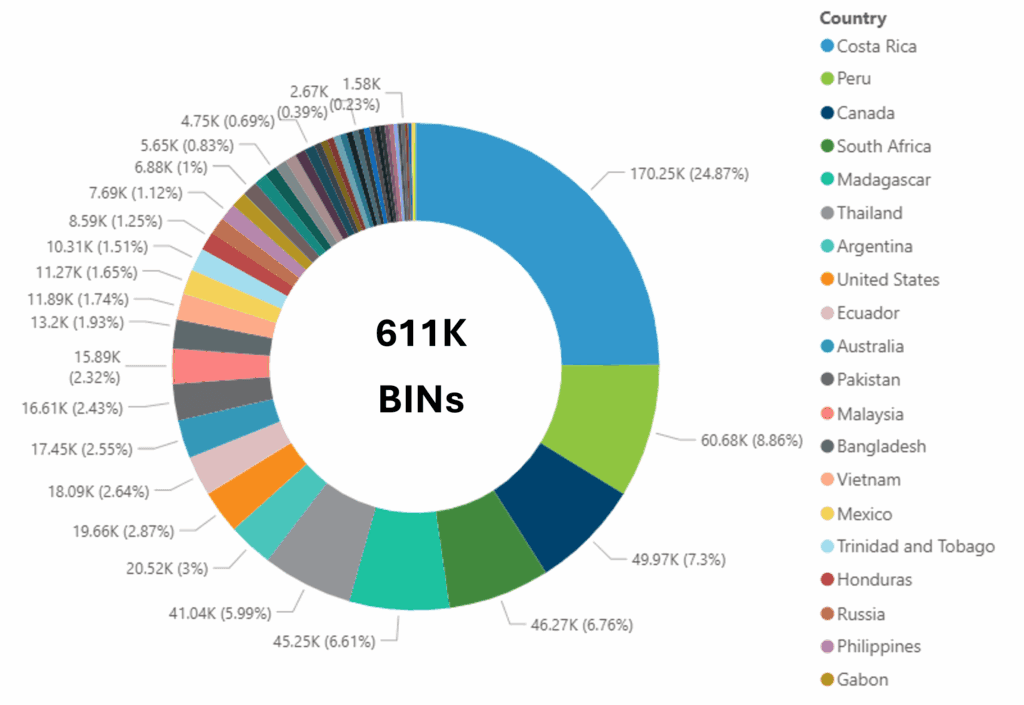
611,231 BINS

gmpacccurveforsite scaled e1762963171261 1024x666
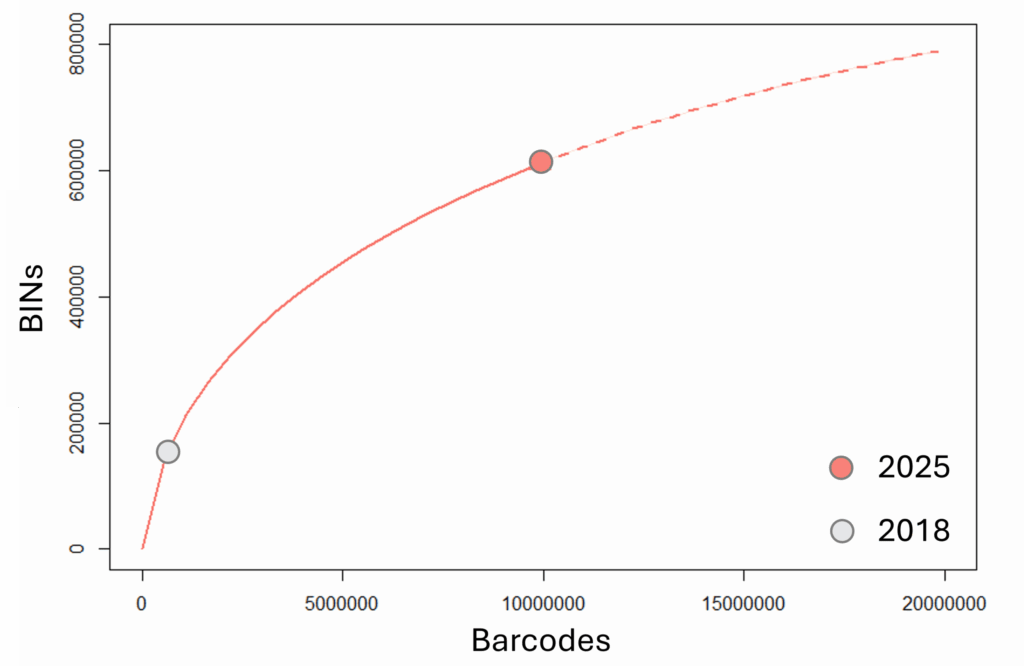
Complete GMP species accumulation curve for all of the 521 sites completed as of October 2025, compared to 2018 (130 sites completed, 1.8M barcodes, 154K BINs).
gmpspecimensbycountry 1024x601
gmpbinsbycountry 1024x705
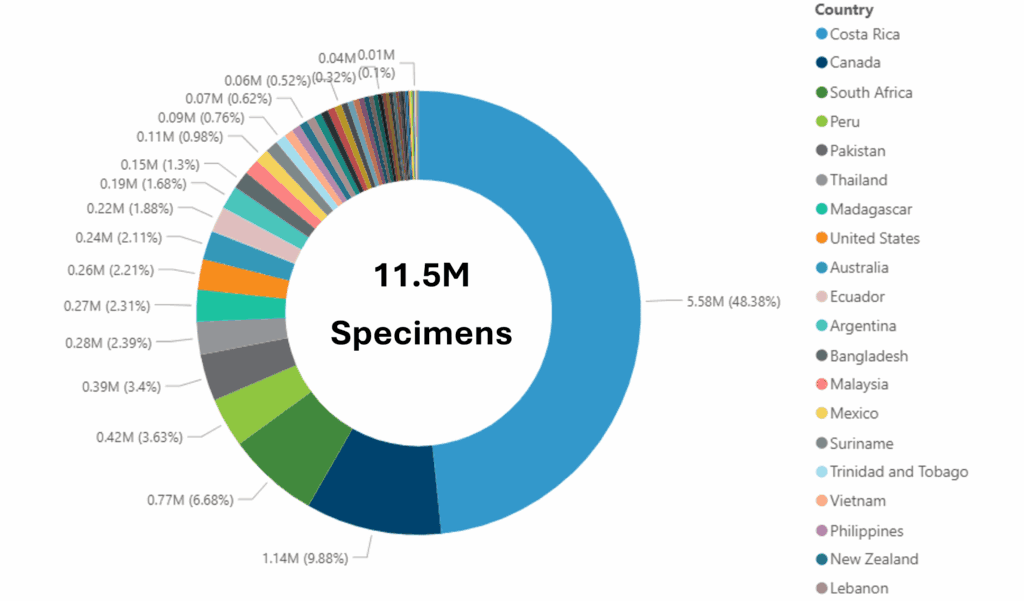
Breakdown of specimens and BINs by country; top 20 countries listed in legend.
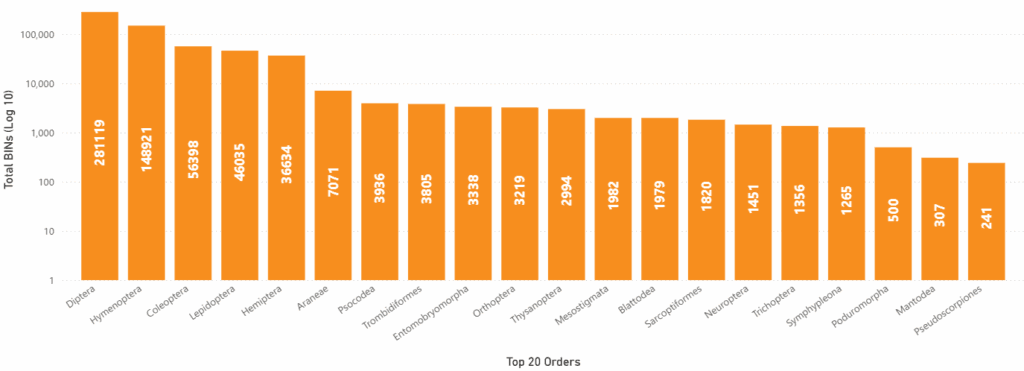
gmporderbar 1024x371
Top 20 orders based on total BIN count

... help discover more!

Last Updated: 2026/11/10 2:40pm
Scroll to Top