
Global Malaise Program
Large-Scale Sampling for Worldwide Biodiversity Assessments
The Global Malaise Program (GMP) aims to unite researchers worldwide in documenting and monitoring terrestrial arthropod diversity through standardized sampling and DNA barcoding, and to develop shared protocols that generate detailed temporal and spatial data for tracking biodiversity change across ecosystems

Join the Program!
Join hundreds of sites across the world in high-throughput, cost effective global biodiversity research, providing crucial insight into arthropod communities and how they vary across space and time.
How does it work?
Apply Online
We review all applications and make decisions based on location and previous sampling coverage within your EcoRegion, number of sites and duration of sampling
Coordinate with the CBG Team
Determine funding and logistics to get Malaise traps to your site, discuss export permits and acquisition of ethanol
Deploy Trap and Start Collecting
Set up the Malaise trap and collect samples weekly throughout the collection period, samples must be stored in a freezer prior to shipping
Ship Samples back to CBG
Ship samples following appropriate guidelines for packing and transport of ethanol
Get the Data
You will receive a report with data for your site, the data will be shared in accordance with our Data Release Policy
What you'll get...
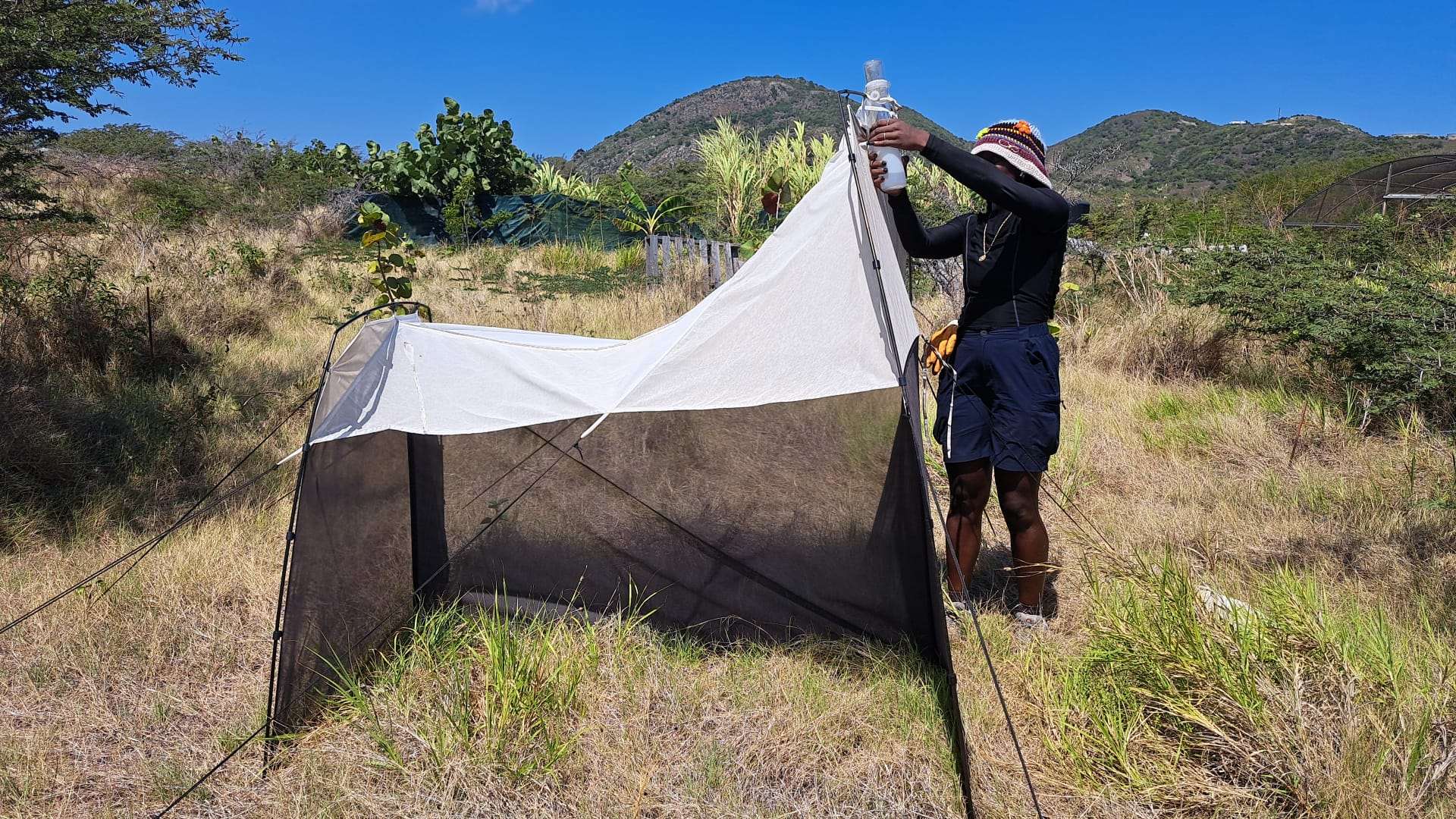
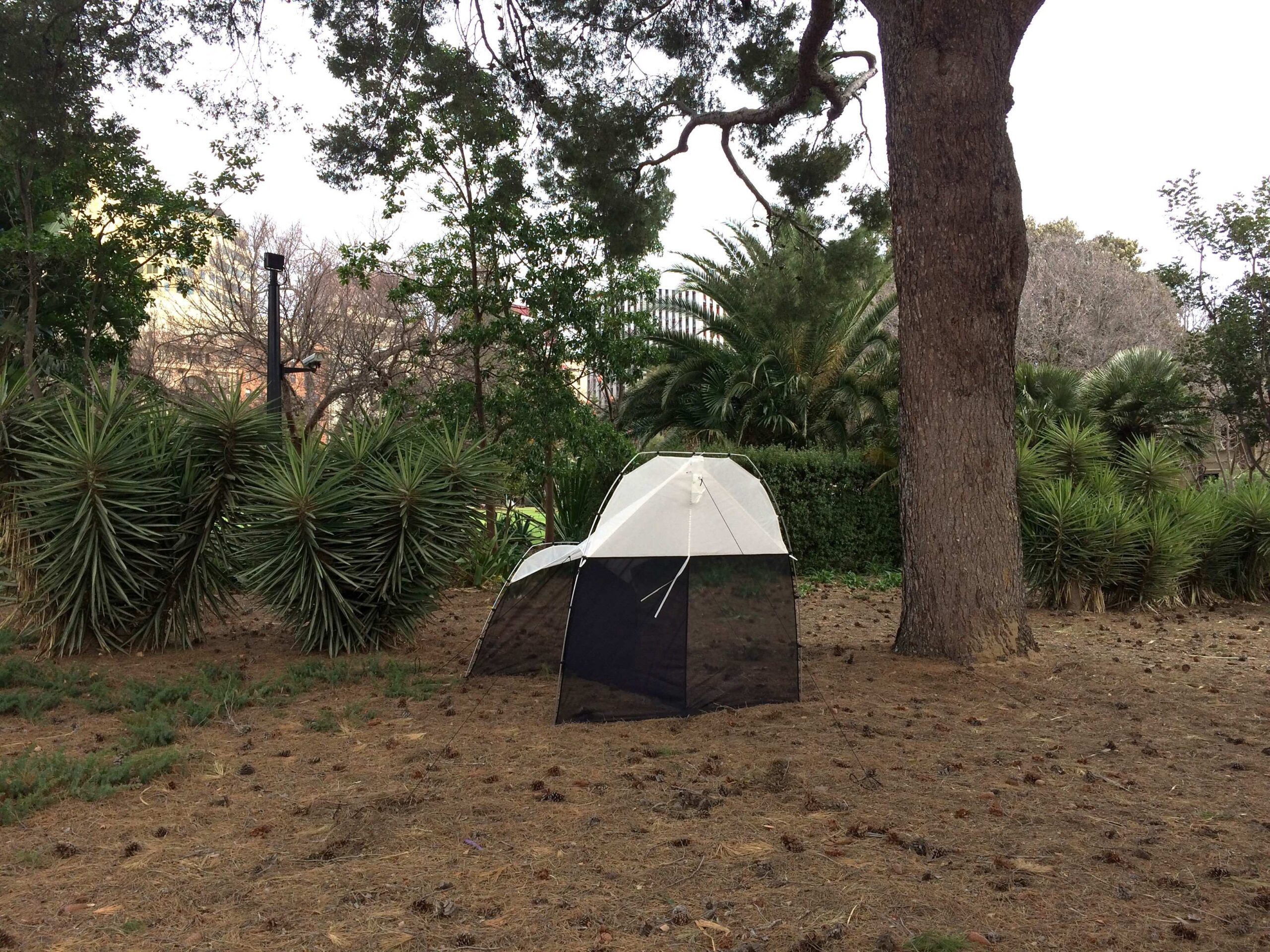
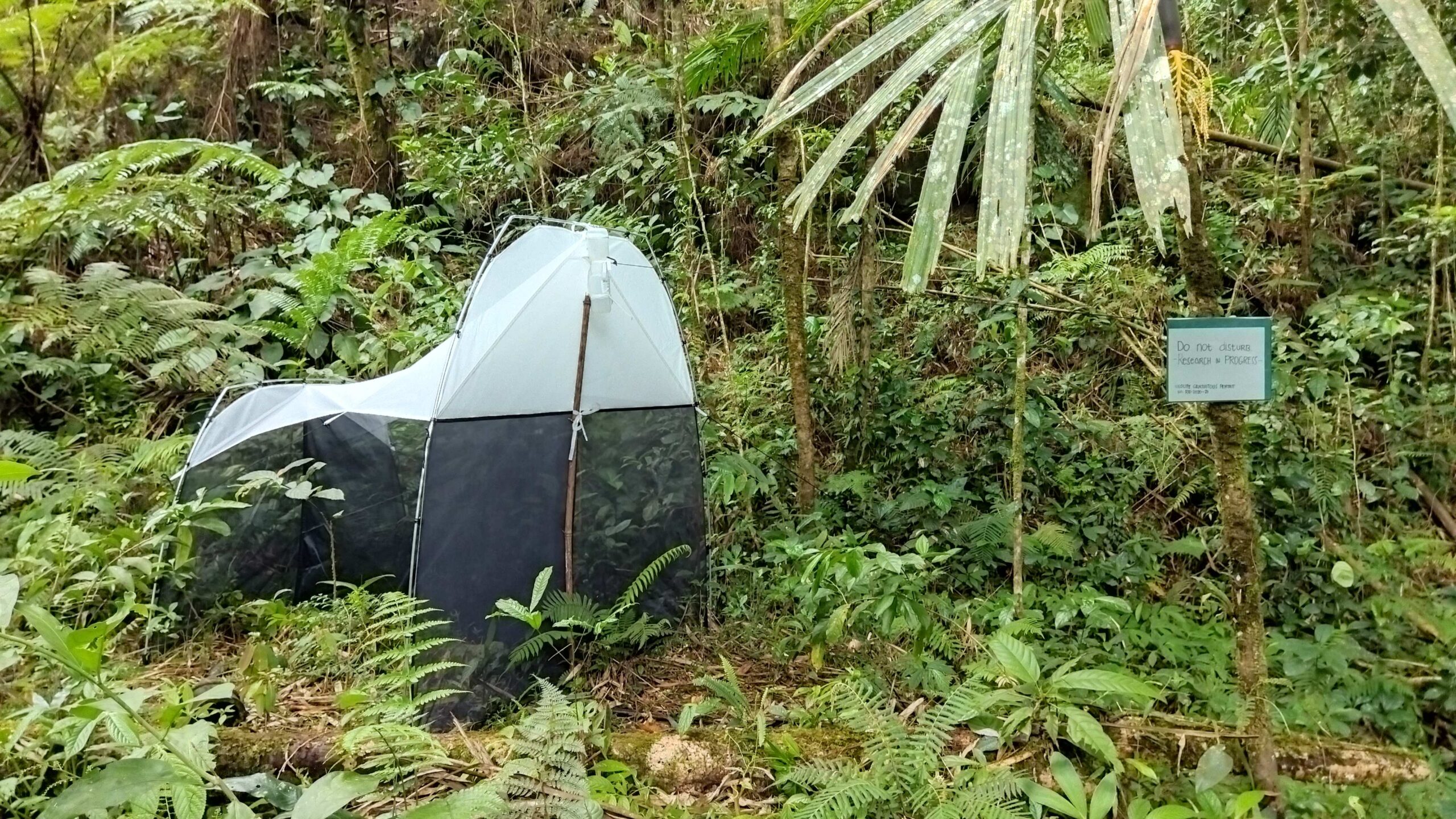
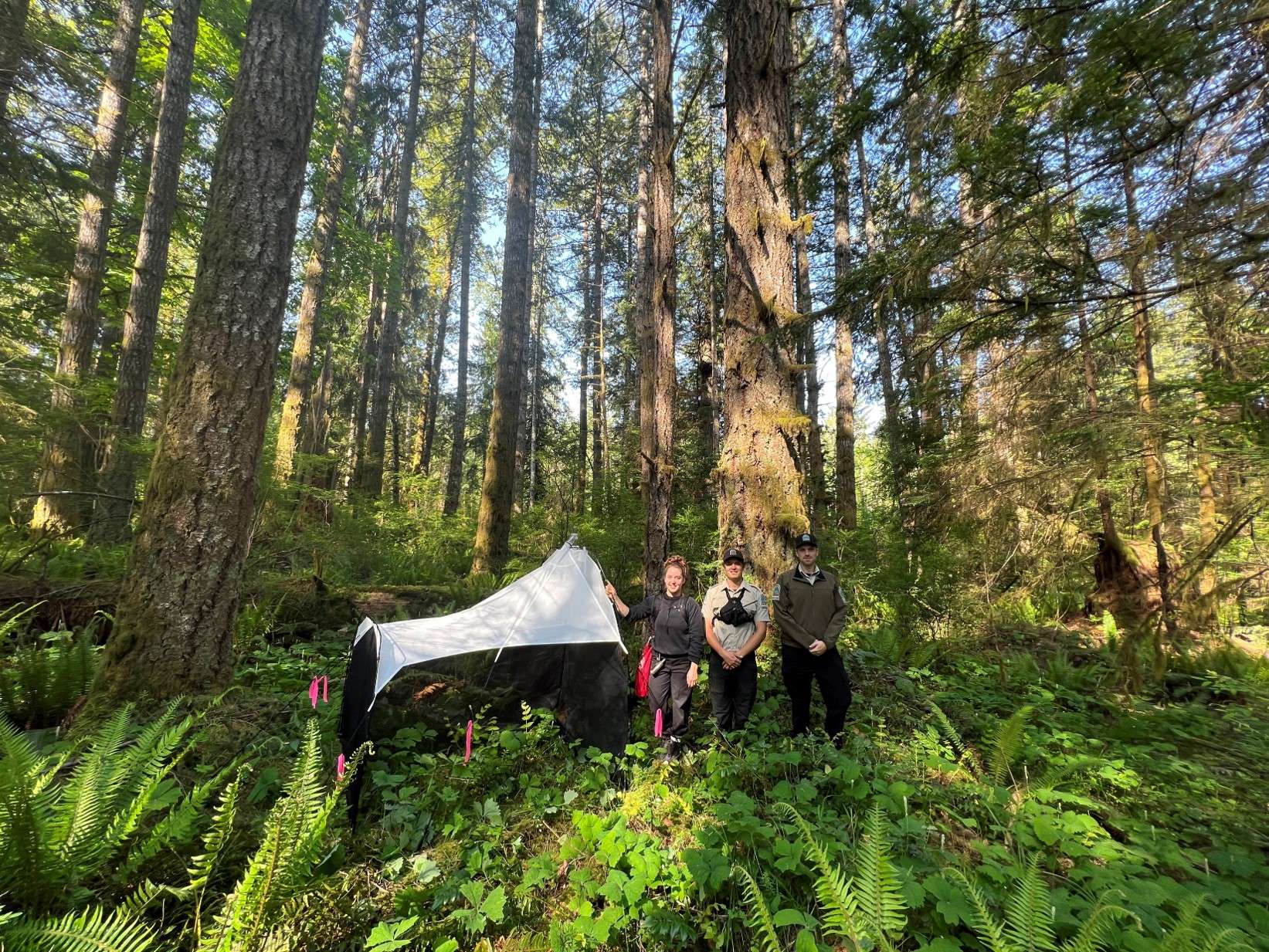
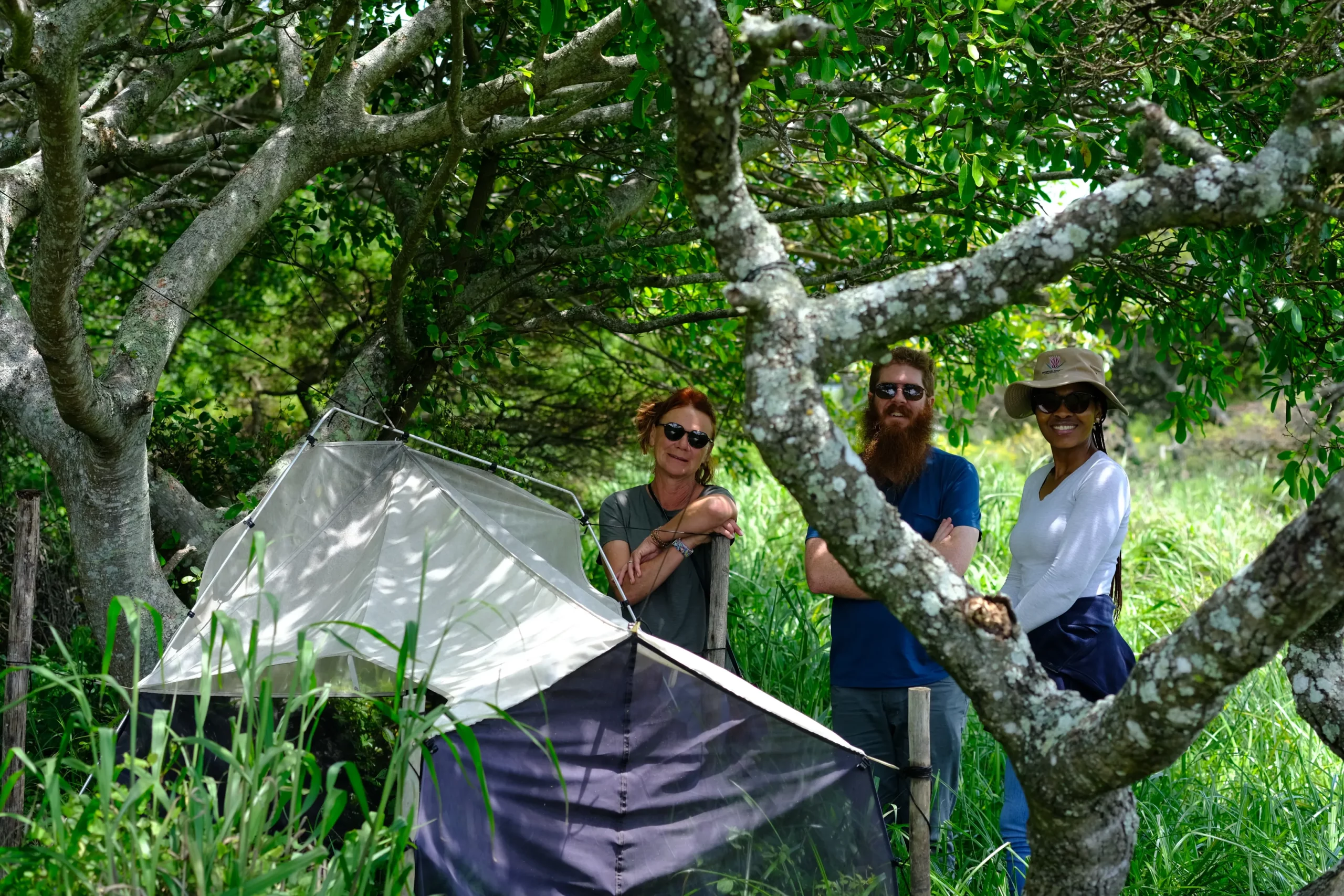
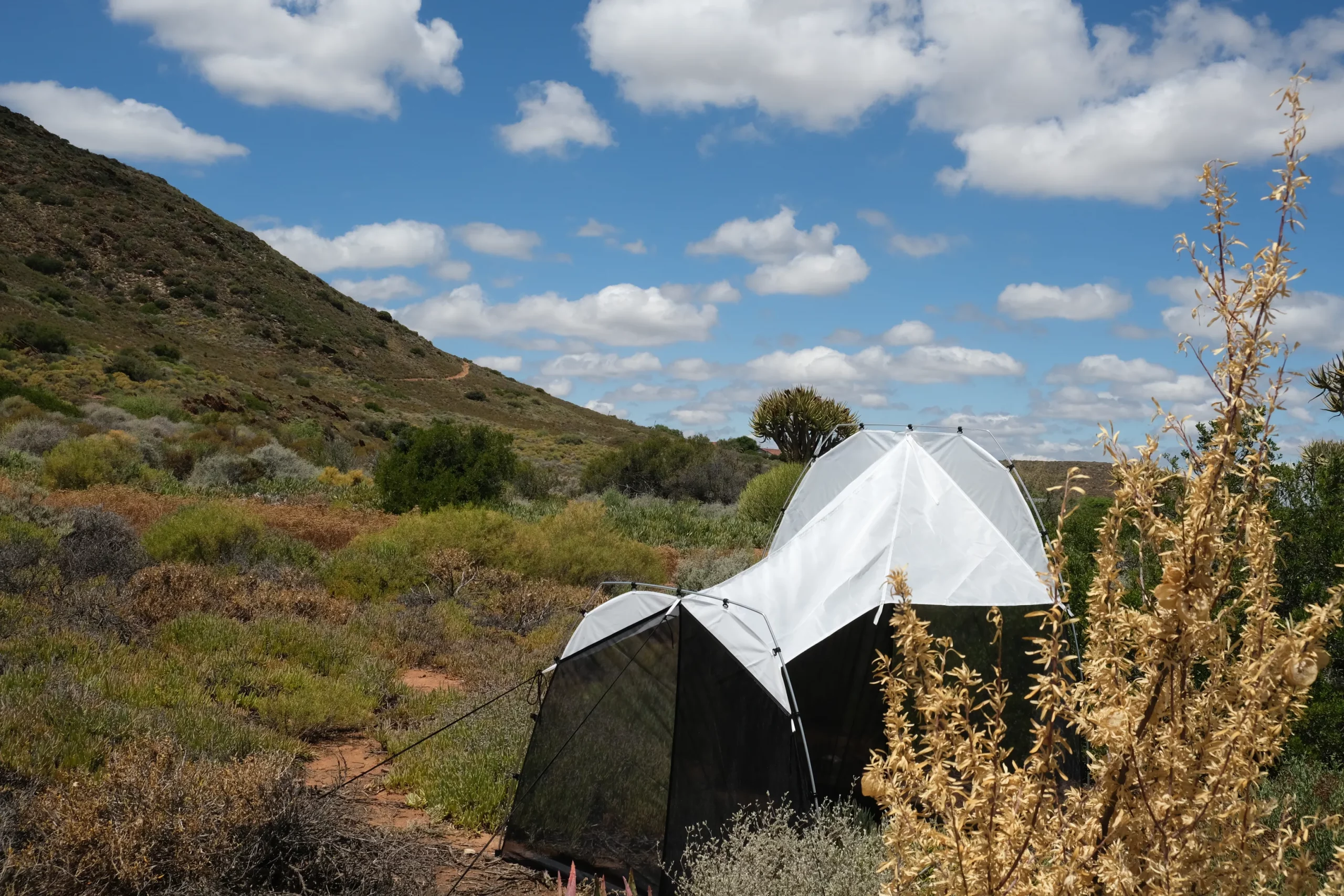
The CBG provides a standard sampling kit to all GMP participants. This includes a Malaise trap and typically a year’s supply of collection bottles. Partners provide ethanol for preserving samples and are responsible for changing the collection bottle once every week throughout the season.
All collection bottles are shipped to the CBG for processing. Samples are accessioned, specimens are arrayed, labeled, databased, and tissue-sampled for genetic analysis. All arthropods are DNA barcoded, with the exception of a few very common morphospecies from certain taxa (such as Collembola, Formicidae, and Acari), for which only a subset of individuals from each trap sample are analyzed.