What is a Malaise Trap?
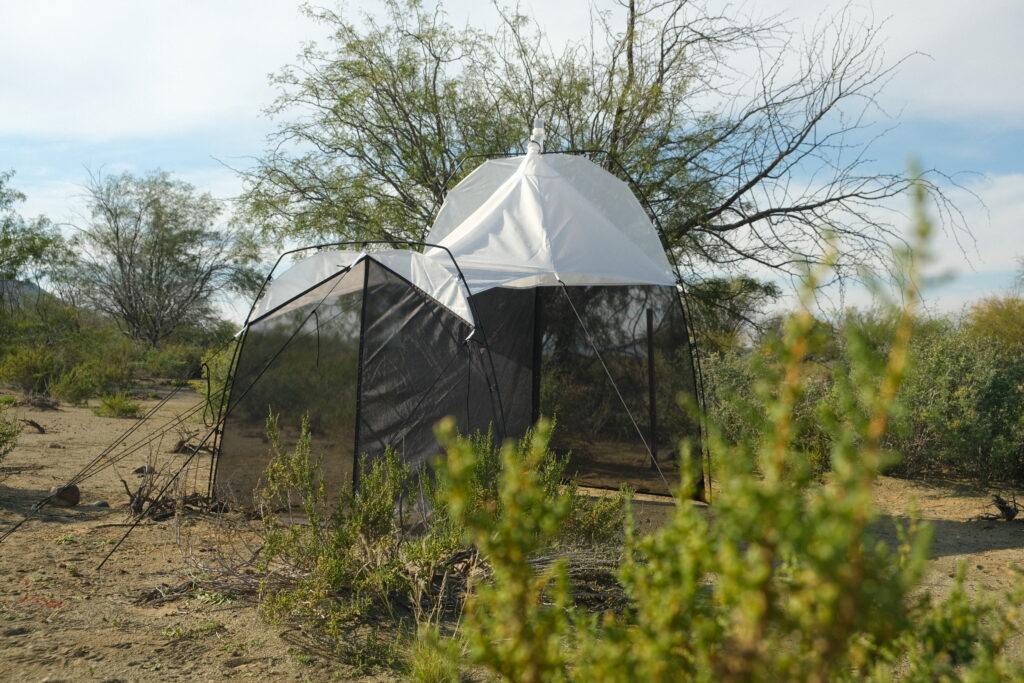
A Malaise trap is an effective collecting tool used for scientific research, particularly to carry out biodiversity inventories. Invented by the Swedish entomologist René Malaise in 1934, it resembles a black and white tent with a mesh panel running along its central axis.
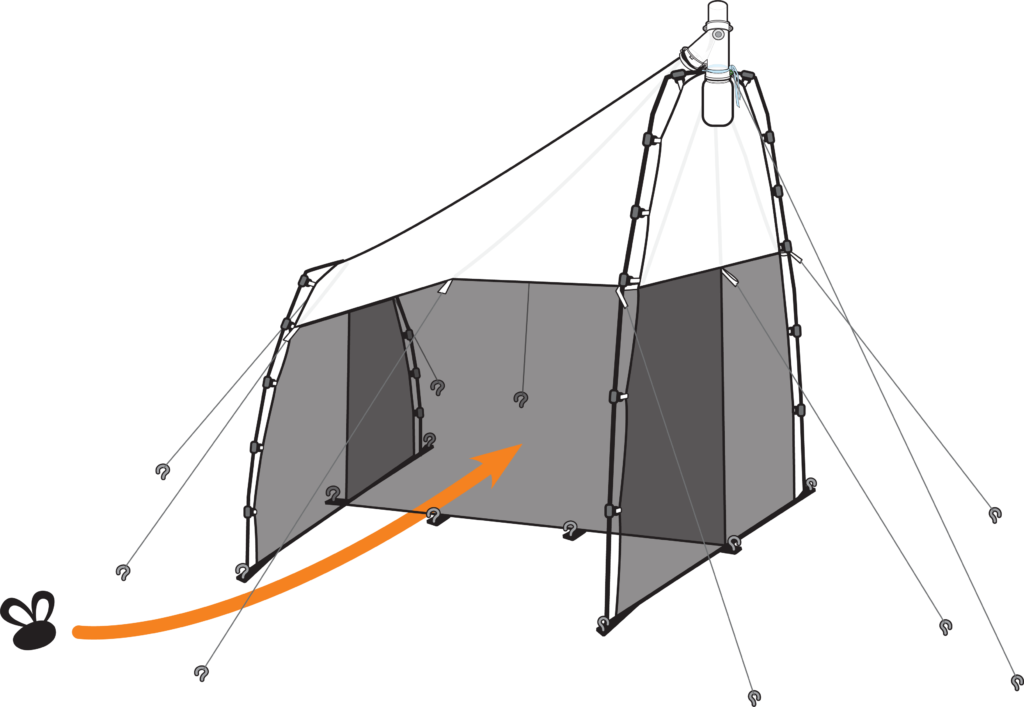
When insects encounter the black mesh panel, most will naturally go up towards the white coloured roof in an attempt to escape. The insects are directed to the apex of the trap (trap head) where they encounter a collection bottle and become permanently trapped. The collection bottle is filled with ethanol to preserve the organisms and their DNA. The trap can be deployed indefinitely, with only the bottle replaced periodically (usually once a week), making it a very low-maintenance and low-cost sampling technique.
(Taken from https://malaiseprogram.com/discover/what-is-a-malaise-trap/)
Why Choose a Malaise Trap?
Malaise traps are one of the most efficient and widely used tools for sampling arthropod diversity. Compared to other trapping methods—such as pitfall traps, pan traps, or sweep netting—Malaise traps offer a passive, low-maintenance approach that can operate continuously over long periods with minimal disturbance to the environment. While they don’t target all insect groups (for example, ground-dwelling or nocturnal species are less likely to be captured), they consistently collect a broad and representative sample of the local arthropod community.
Because they are easy to deploy, require little monitoring, and can be used across a wide range of habitats and regions, Malaise traps are an ideal standardized and scalable method for large-scale biodiversity surveys and long-term ecological monitoring.
Where to Deploy a Trap
Ideal sampling location checklist:
- Previously unsampled ecoregion in your country
- A natural and protected area is preferred
- Accessible for trap servicing every week
- Consider likelihood of vandalism if highly visible
- Consider likelihood of wildlife disturbance
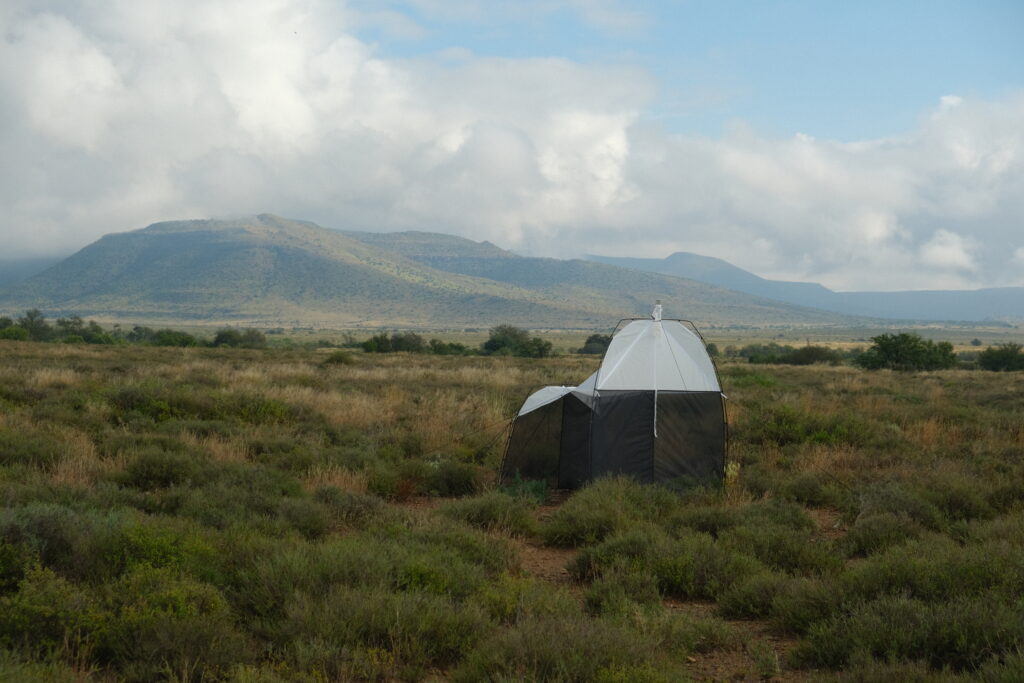
Orient the trap so it intercepts a flight path. It should not be surrounded by dense, tall vegetation that prevents insects from flying into it. Very open or exposed locations may also be problematic due to strong winds and other weather hazards. A forest edge or clearing, near water bodies, and higher elevation than its surroundings are a few recommendations for trap location.